
6. The 20th Century: Credit Data and Paperless Capital
The mid-1900s marked a dramatic transition from asset-backed lending to data-driven credit evaluation:
- Charge Cards (1950): Frank McNamara introduced the Diners Club® card, allowing restaurant patrons to settle bills via credit. Soon after, Bank of America launched the BankAmericard, which eventually became Visa.
- Risk Quantification (1959): The widespread adoption of FICO credit scores revolutionized risk assessment, allowing institutional lenders to evaluate borrowers using standardized algorithmic data rather than subjective manual reviews.
7. The Digital Age and the Rise of Alternative Fintech (1980s–Present)
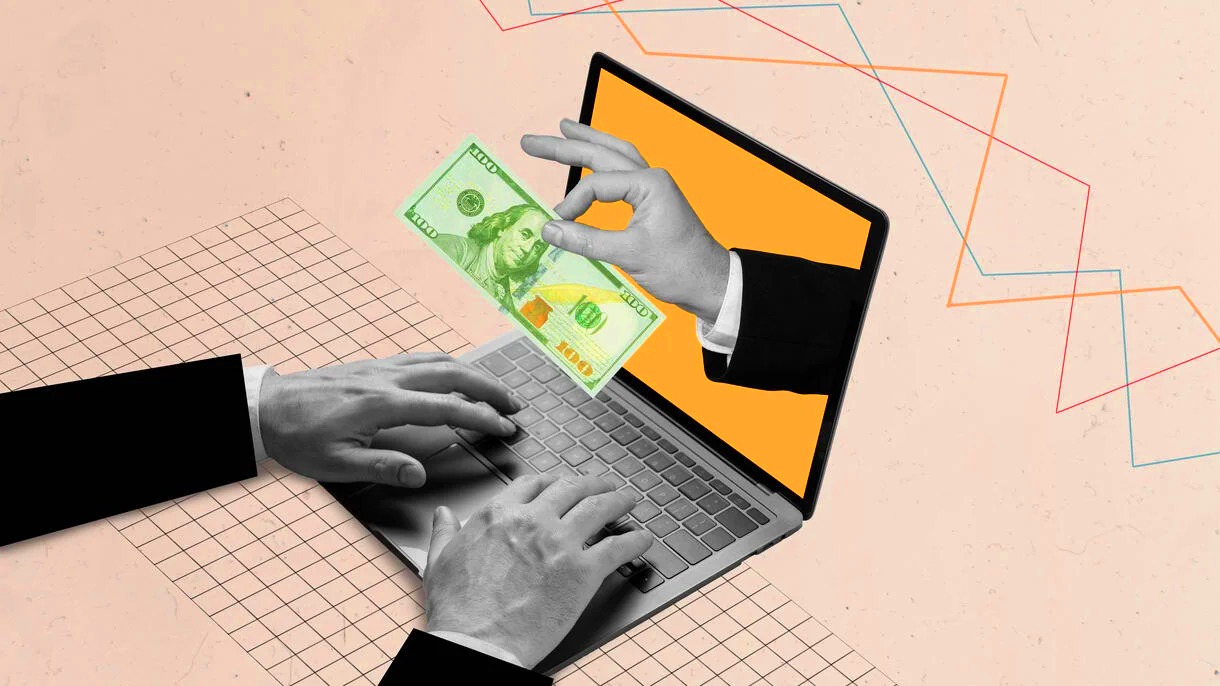
The emergence of personal computing and internet banking dismantled traditional paper-heavy lending processes. Companies like Quicken Loans pioneered digital mortgage applications in 1985, paving the way for online banking options by the late 1990s.
In 2006, the rise of peer-to-peer (P2P) lending and alternative fintech platforms allowed business borrowers to bypass rigid traditional banks entirely. Modern algorithmic platforms aggregate dozens of lending partners simultaneously, matching small businesses with tailored funding solutions in minutes rather than months.
Looking Ahead
From grain sacks in Mesopotamia to instantaneous blockchain smart contracts and AI-driven credit assessments, business lending has always served as the primary catalyst for economic progress. As technology continues to lower barriers, small business owners enjoy unprecedented access to capital—ensuring that the engine of global innovation keeps turning.