
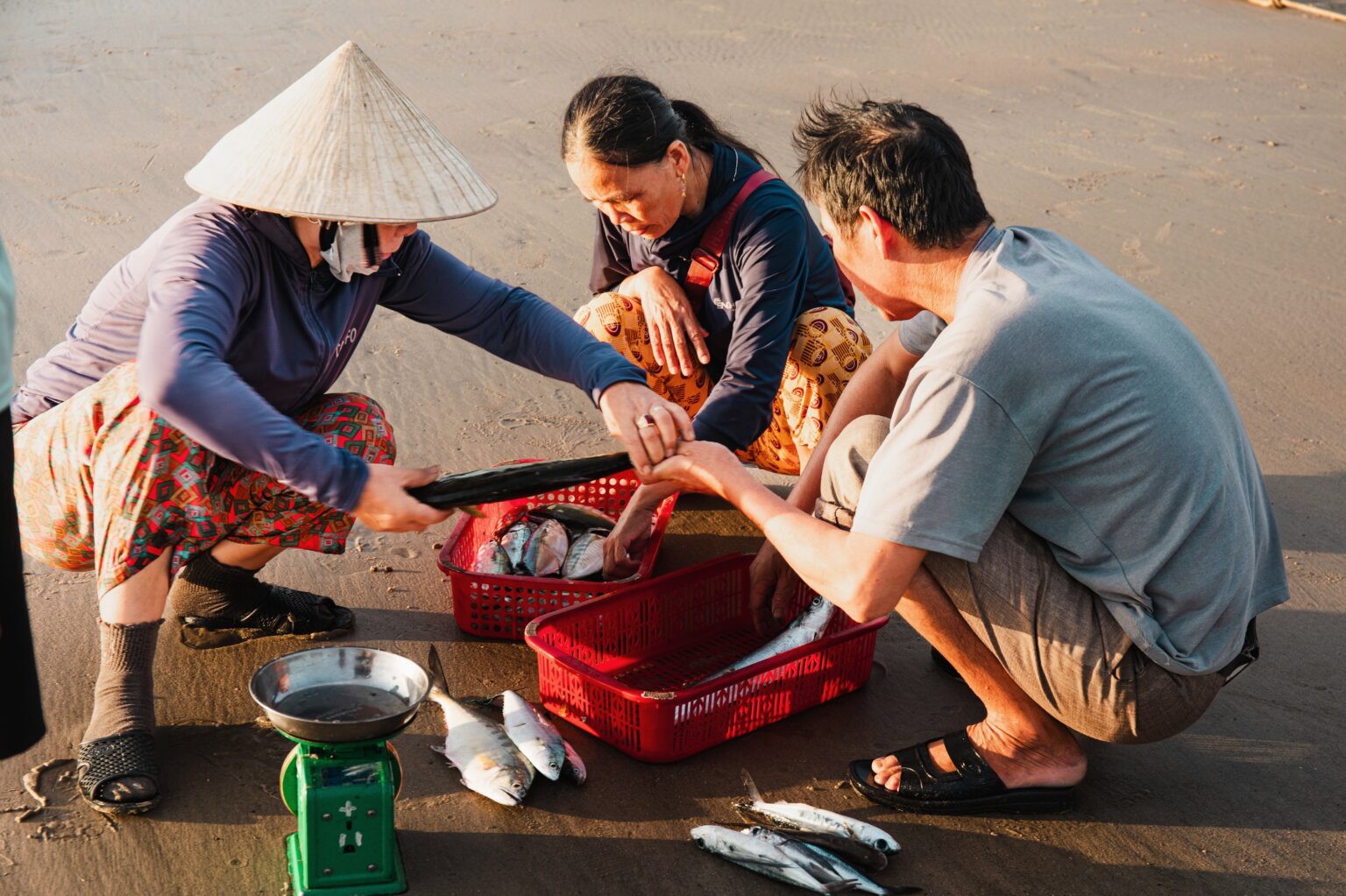
Direct Barter: The simplest form of trade, where two individuals exchange assets face-to-face without intermediaries or multi-step processes. (Example: Swapping a spare textbook directly for a classmate’s novel).
Indirect Barter: Occurs when a participant accepts a temporary item—not for personal use, but as a bridge commodity to acquire what they actually need later. (Example: A grain farmer trades wheat for bolts of cloth, then uses the cloth to obtain iron tools from a blacksmith).
Switch (Transferred) Barter: This model involves reassigning a trade obligation to a third party when one participant cannot use the offered item directly. (Example: A merchant accepts produce in exchange for goods, but redirects the produce to an interested third party who can fulfill the original debt).
Service-for-Goods Barter (Counter-trade): Frequently seen in agricultural and rural communities, this system swaps physical labor or professional expertise for tangible resources rather than cash compensation.
Real-World Applications Across Industries
To better understand how these principles work in practice, consider these everyday scenarios across different sectors:
- Agriculture & Fisheries: A highland vegetable grower trades fresh produce with a coastal fisherman for a fresh catch, providing nutritional diversity for both households.
- Crafts & Textiles: A local tailor crafts custom garments in exchange for bulk food supplies provided by a regional merchant.
- Professional Services & Skilled Labor: An educator provides private tutoring sessions to a carpenter’s children; in return, the carpenter repairs the educator’s roof.
Evaluating the Barter Model: Advantages vs. Limitations
While direct trade fosters independence from centralized financial systems, it brings a distinct set of operational challenges.
The Advantages
- Financial Independence: Operates completely outside the banking system, making it resilient during currency hyperinflation or cash shortages.
- Community Connection: Fosters interpersonal trust, deepens social bonds, and encourages collaboration among neighbors.
- Resource Optimization: Allows individuals to convert unused surplus goods or idle skills into immediate, valuable necessities.
The Disadvantages
- The Search Problem: Finding someone who has what you need and wants what you offer can be time-consuming and inefficient.
- Subjective Valuation: Lacking a universal unit of account makes establishing fair trade ratios difficult and open to dispute.
- Divisibility and Storage Issues: Many physical goods (like livestock or fresh produce) are perishable or impossible to divide into smaller units without losing value.
Summary Matrix: Barter System at a Glance
| Aspect | Key Characteristics | Practical Impact |
| Primary Requirement | Double coincidence of wants | Requires precise matching of needs between traders |
| Valuation Method | Subjective negotiation | No standardized price tag; based on mutual agreement |
| Social Benefit | High community engagement | Builds personal networks and localized trust |
| Main Drawback | Lack of liquidity & divisibility | Impractical for complex or high-volume modern commerce |
Conclusion
Although modern economies rely on paper money and digital payments, the fundamental logic of barter remains deeply relevant. Whether utilized as a survival strategy in remote regions, a secondary system during economic crises, or a collaborative model in local micro-communities, direct trade reminds us that true commerce is ultimately about fulfilling human needs through mutual cooperation.