
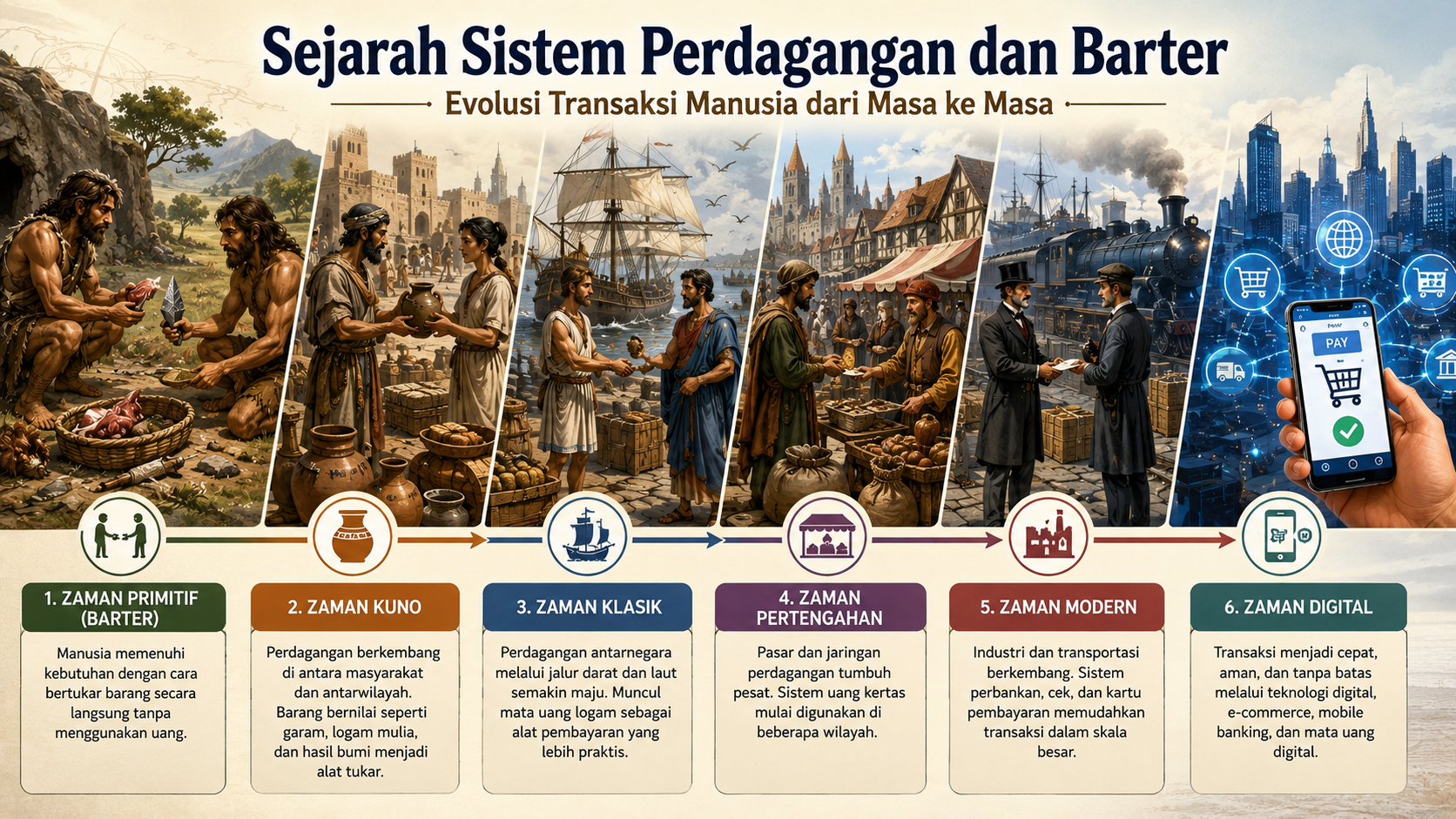
Commodity Currency Transition
Pre-Fiat Money Era
Societies gradually transitioned toward early commodity money—universally valued items like cowrie shells, gold nuggets, and precious metal pieces that paved the way for modern cash.Pros and Cons of the Barter System
While bartering appears simple on the surface, it introduces complex dynamics compared to modern monetary transactions.
ADVANTAGES
• Structural Simplicity
• Immunity to Inflation
• No Foreign Exchange Risks
• Inclusive Without Cash
DISADVANTAGES
• Double Coincidence Issue
• Lack of Standard Value
• Storage & Perishability
• Negotiation & Trust Risks
Advantages of Bartering
- Financial Simplicity: Free from complex foreign exchange rates, international trade deficits, or central bank policies.
- Accessible Commerce: Anyone with usable skills, labor, or physical goods can participate in commerce without needing cash reserves.
- Protection Against Monetary Inflation: Transactions rely on real commodity value rather than fluctuating fiat currency valuation.
Disadvantages and Limitations
- Double Coincidence of Wants: For a transaction to happen, both parties must want what the other offers at the exact same time. If a wheat farmer needs boots, but the shoemaker only wants milk, the trade fails.
- Lack of a Standard Measurement of Value: Without a uniform unit of account, negotiating fair trade terms takes significant time, as people tend to overvalue their own goods relative to others.
- Trust and Quality Control: Misrepresentation of goods or services can easily occur, leaving the aggrieved party with little legal recourse.
- Storage and Preservation Limits: Perishable items like livestock or agricultural produce spoil over time, making it difficult to store wealth or preserve purchasing power.
Bartering in the Modern Economy and Tax Implications
Many assume that modern banking, digital payments, and credit cards completely eliminated bartering. In reality, barter is thriving today through small business networks, corporate trade exchanges, international countertrade, and digital platforms.
However, bartering in today’s financial ecosystem carries legal and regulatory responsibilities, particularly regarding taxation.
Legal and Tax Facts About Modern Bartering
- Taxable Income Classification: Tax authorities (such as the U.S. Internal Revenue Service / IRS) classify the Fair Market Value (FMV) of goods or services received through barter as reportable, taxable income.
- Reporting Requirements: Businesses and individuals engaging in trade swaps must report these values on their annual tax returns for the tax year the transaction occurred.
- Accounting and Bookkeeping: Companies using corporate barter to acquire equipment or inventory must maintain accurate accounting records to reflect the monetary value of non-cash exchanges.
From Barter to Digital Currency: Economic Lessons
The transition from swapping physical goods to using paper money, credit cards, and digital currencies highlights humanity’s continuous push toward greater economic efficiency.
Ultimately, the history of trade demonstrates that value does not reside in money itself, but in mutual trust, social agreement, and the real utility that goods and services provide to individuals.